Idea: Experience Real World Policy Levers

Reading the about the Modelling Birmingham project and its mention of CAS: complex-adaptive systems
For some outcomes, the interdependencies between the contributing variables were so rich that the result of their interaction could not be predicted in the model. These interactions were the result of CAS (as discussed in the opening of Section 4) whose outcomes and respective time horizons for expected payoffs defy prediction. Nevertheless, some policy levers could influence the overall shape of potential outcomes, and it was possible to model them to a limited extent.
... made me think about Polly MacKenzie's excellent: There aren't any levers, i.e....
The Problem with Policy Levers: Some of Them Do Not Exist
This week, in his evidence to the Liaison Committee, Keir Starmer mimed pulling a lever as he complained: “As Prime Minister, every time I go to pull a lever, there are a whole bunch of regulations, consultations, arms-length bodies that mean the action from pulling the lever to delivery is longer than I think it ought to be”.

There are some lever-like bits of government. Ministers can change tax rates with precision, adjust benefit entitlements by age, income or household type, and move billions of pounds between accounts overnight. Politicians never complain about unresponsive levers when they are talking about these things. They work in terms of mechanical functioning. What they can't guarantee is outcomes.
Changing a tax rate is a lever; getting the money in is subject to behaviour; generating growth is a system response. Adjusting welfare payments is a lever; getting people to claim them is subject to behaviour; improving children's lives depends on personal regulation, institutional performance, relationships and time. The machinery can move the inputs with precision and still miss the outcome entirely.
The Experience of Pulling a Lever
This real life recreation of the giant control panel from the PVKK computer game allows you to experience pulling various levers and adjusting dials.

Someone pulling another lever on the PVKK control panel
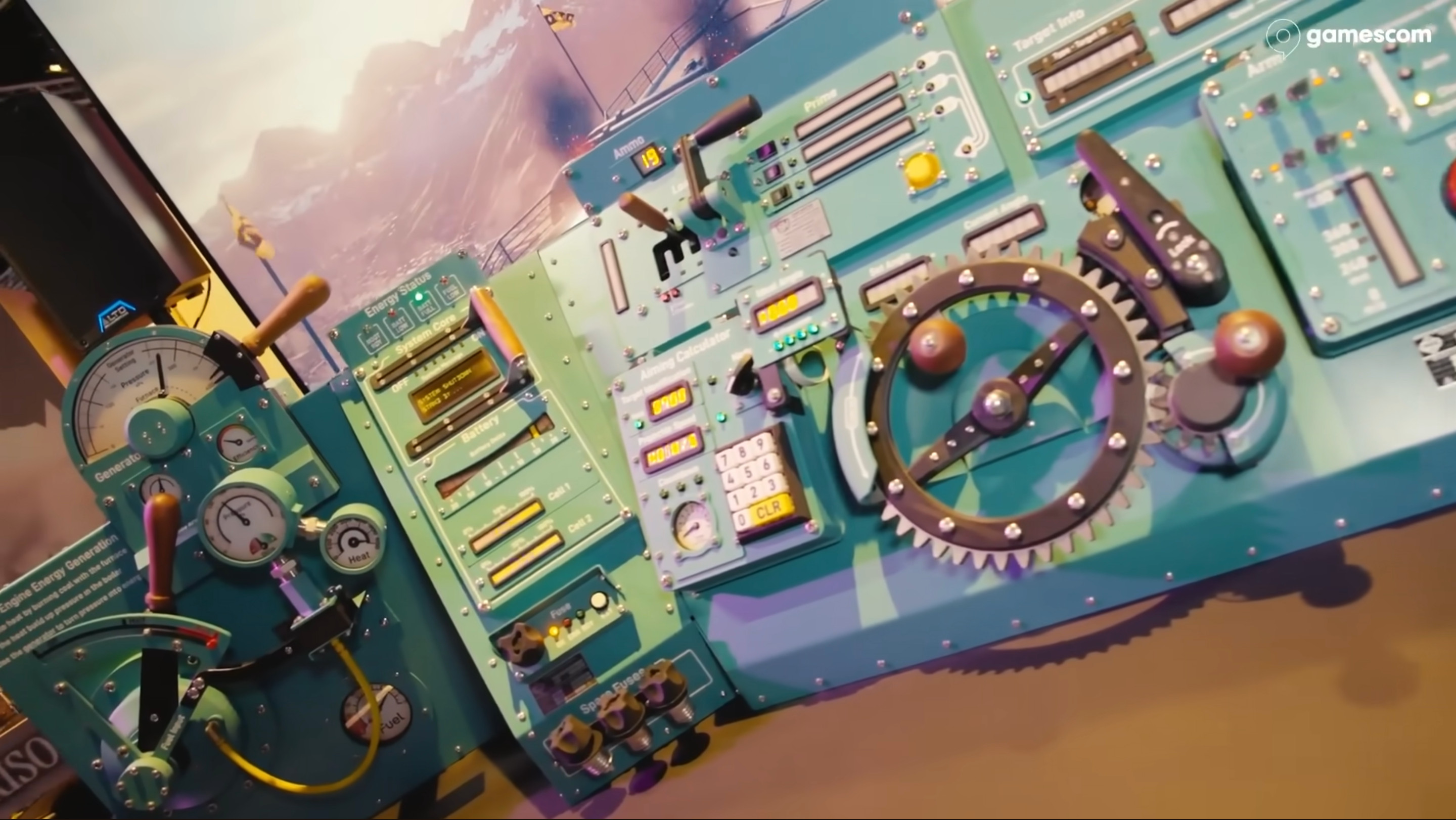
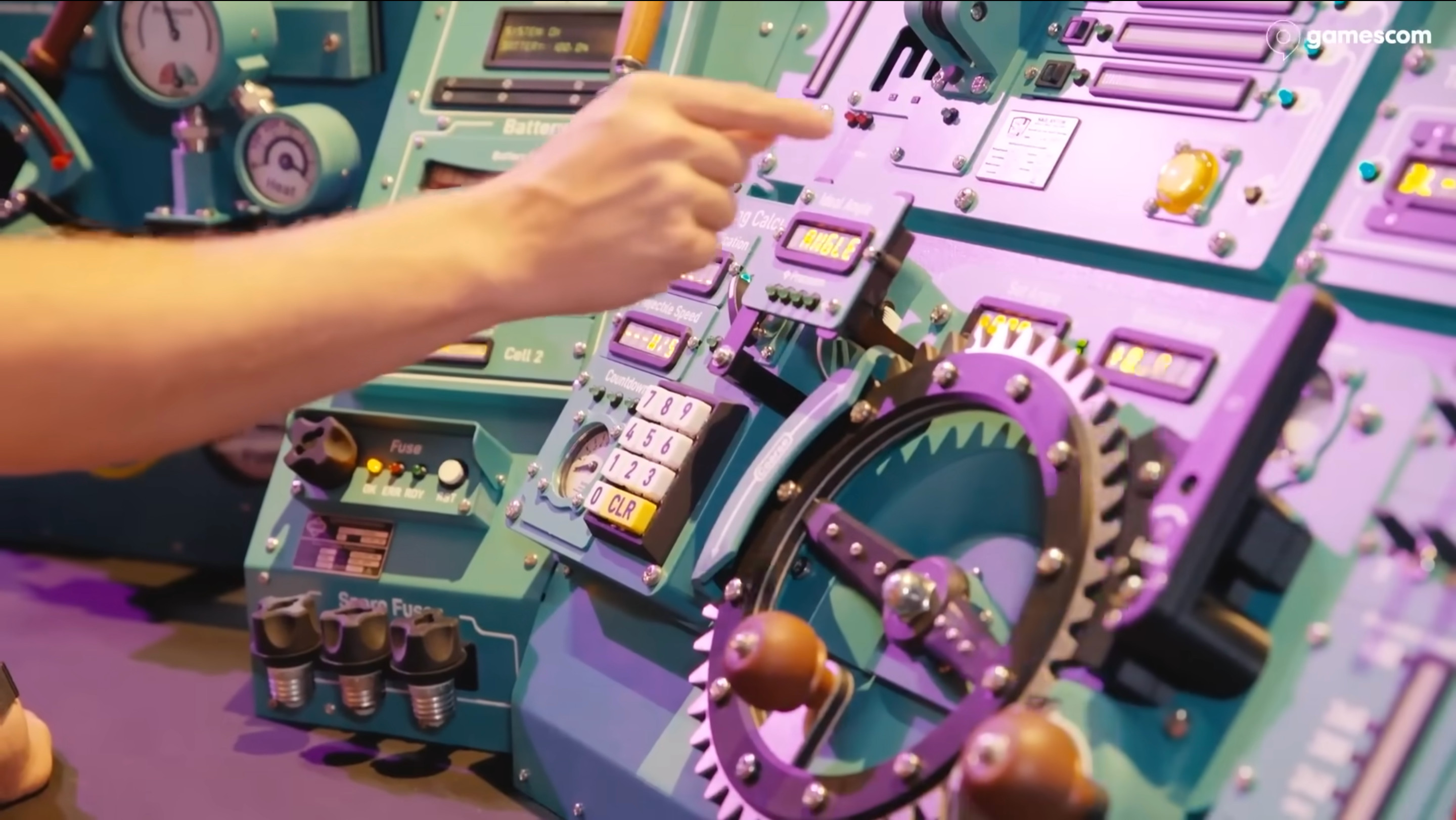

Real World Policy Levers
This makes me want to provide a real world experience of pulling levers and seeing them:
- have an immediate / delayed effect
- have a positive / negative / different-to-what-you-expected effect
- have no effect
For "no effect" it would be particularly experientially interesting to have the lever(s) have force-feedback so that the lever could be totally floppy. This would cover when the lever was ineffective. And also when the system / actors immediately respond to or anticipate the lever pulling and negate its effect.
And for policies which are highly opposed by actors in the system, then to have those levers be incredibly hard to shift, or literally have them constrained with red-tape, or blocks.
I appreciate this image does not entirely represent Polly MacKenzie's point that some of the levers are not actually levers because their point of action is many steps removed from where the level is directly acting.
Which System to Model?
What real world system could be modelled and used for this? It would need to be a system that is complex enough to have all of the above properties, but also simple enough to be able to model and simulate in a way that is understandable and engaging for people to interact with.